Tetraethyl Ammonium Chloride: From Basics to Advanced Applications in Electrochemistry, Organic Synthesis and Pharmaceutical Research
Release time: 2026-09-07
Table of Contents
What Is Tetraethyl Ammonium Chloride?
Tetraethyl Ammonium Chloride, a highly versatile quaternary ammonium salt, serves as a critical phase-transfer catalyst, supporting electrolyte, and specialized pharmacological tool across multiple advanced industries. Primarily utilized within electrochemistry, fine organic synthesis, and life science research, this compound offers exceptional ionic conductivity and unique molecular interaction capabilities. For procurement professionals and technical decision-makers, evaluating this reagent requires a strict focus on exact purity grades, moisture control due to its hygroscopic nature, appropriate packaging, and stringent compliance documentation. Ultimately, sourcing the right grade of this versatile chemical ensures both reliable experimental outcomes and scaled operational efficiency, making it an indispensable asset for modern laboratories and specialized manufacturing facilities.
Tetraethyl ammonium chloride has several nomenclatures, including its common alias TEA chloride or its structural formula Et₄NCl. Its unique identifier is its CAS number. The compound number is 56-34-8, and this substance is a fundamental structural unit in modern chemistry. Assigned the unique identifier CAS NO. 56-34-8, this substance represents a fundamental building block in modern chemistry.
Chemically, it boasts the molecular formula C₈H₂₀NCl. The structural architecture of this compound is characterized by a central, positively charged nitrogen atom that is covalently bonded to four symmetrical ethyl groups. This bulky, tetrahedral cationic structure is electrostatically balanced by a singular chloride anion. This specific structural motif classifies the substance as a classical quaternary ammonium salt.
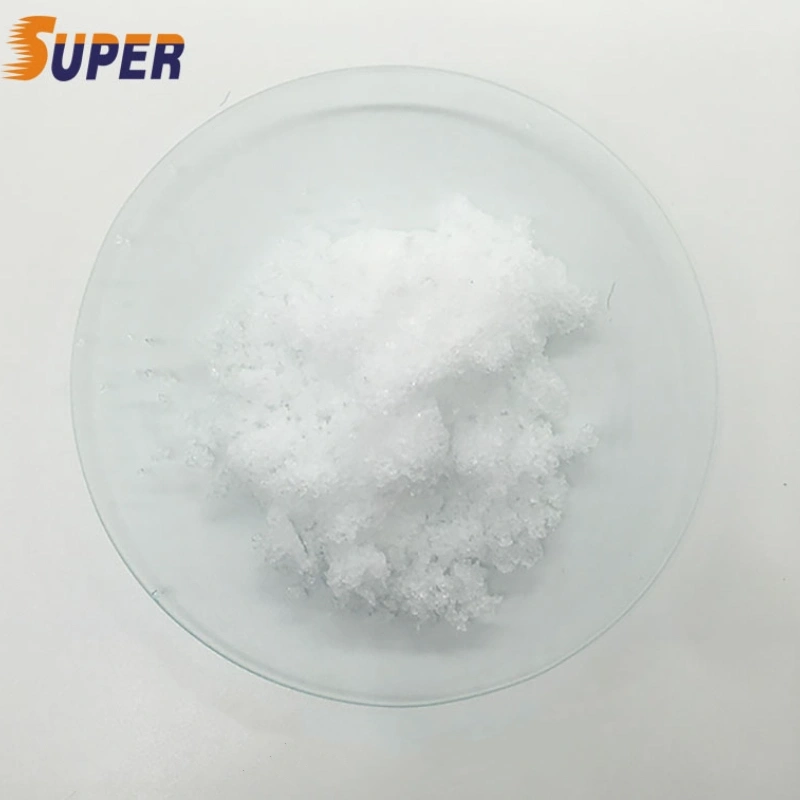
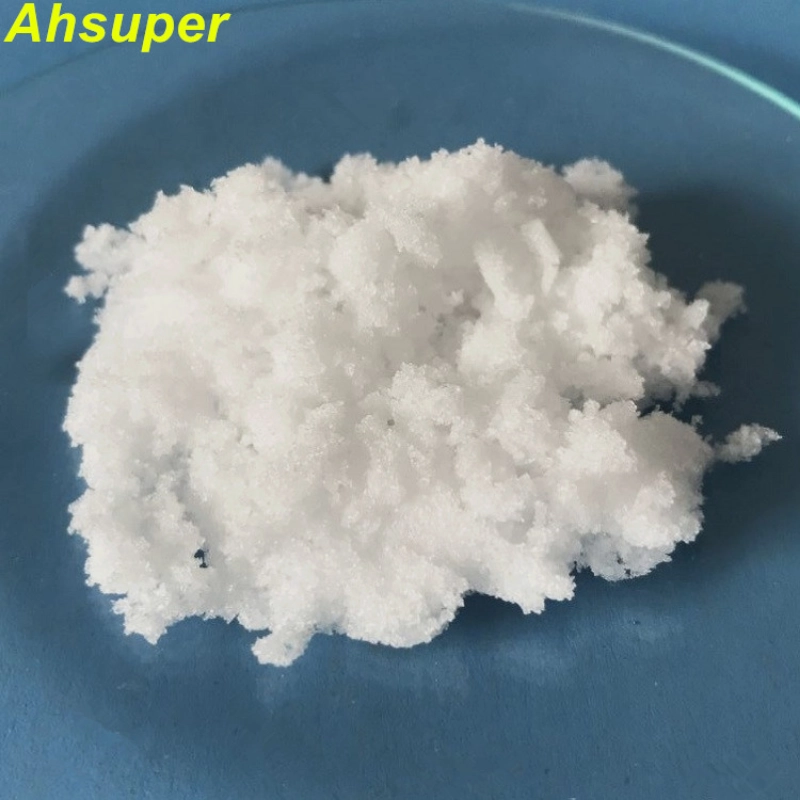
In terms of its physical form, the compound typically presents as a white crystalline powder. One of its most defining physical traits is its profound hygroscopicity; it readily absorbs moisture from the surrounding atmosphere, a characteristic that heavily dictates its storage and handling protocols. Furthermore, it exhibits excellent solubility in aqueous environments, making it highly adaptable for diverse liquid-phase reactions.
If one were to summarize its identity in a single, overarching statement: It is a highly adaptable quaternary ammonium salt that functions seamlessly as a robust supporting electrolyte, a highly efficient phase-transfer catalyst, and a highly specific pharmacological reagent across the realms of physical chemistry, synthetic organic chemistry, and biological research.
Basic Properties
To facilitate quick reference for chemical engineers, quality control analysts, and procurement specialists, the foundational physicochemical properties and commercial specifications of the compound are detailed in the table below.
| Parameter | Specification / Detail |
| CAS No. | 56-34-8 |
| Molecular Formula | C₈H₂₀NCl |
| Molecular Weight | ~165.7 g/mol |
| Appearance | White crystalline powder |
| Melting Point | ~39 °C (decomposes upon further heating) |
| Solubility Profile | Highly soluble in water; soluble in methanol; slightly soluble in benzene |
| Purity Grades Available | ≥99% (typically verified via titration) |
| pH (50 g/L in H₂O, 25 °C) | 4.0 – 7.0 |
| Storage Requirements | Inert atmosphere, room temperature, strict moisture control |
| Global Trade Reference | HS Code: 29239000 (For international shipping and customs) |
These properties collectively dictate the compound’s behavior in industrial and laboratory settings. The relatively low melting point and high solubility profile make it incredibly versatile for both aqueous and non-aqueous solvent systems, while the pH range ensures compatibility with mildly acidic to neutral reaction environments.
Functions & Why This Compound Matters
Understanding the immense value of this chemical requires moving beyond its physical properties and diving into its mechanistic functions. The true worth of this quaternary salt lies in what it can do. Its functionality can be categorized into three core domains:
Phase-Transfer Catalyst (PTC)
In the realm of synthetic chemistry, reacting water-soluble salts with organic-soluble substrates often presents a significant kinetic barrier due to the immiscibility of the two phases. Here, the compound acts as a powerful Phase-Transfer Catalyst. By utilizing its lipophilic ethyl groups and ionic core, the molecule effectively shuttles hydrophilic anions from the aqueous phase into the organic phase. This vital mechanism drastically enhances the efficiency of nucleophilic substitutions, complex alkylations, and multi-phase redox reactions. The ultimate value proposition of this PTC capability is higher product yields, reduced reaction times, and the elimination of expensive, environmentally damaging co-solvents.
Supporting Electrolyte / Ionic Conductor
Electrochemical studies and technologies demand environments where electrical current can flow without the medium itself undergoing unwanted oxidation or reduction. This salt functions as a premier supporting electrolyte. When dissolved, it fully dissociates into highly mobile ions, creating a stable, conductive environment that minimizes the migration of the actual electroactive species under study. This provides a remarkably broad electrochemical window. Its application value is paramount in advanced electrochemical testing, membrane transport dynamics studies, and the formulation of cutting-edge solid polymer electrolyte systems.
Pharmacological Tool
In the highly specialized field of cellular biology and neurophysiology, this substance is renowned as a potent K⁺ Channel Blocker. Mechanistically, the physical dimensions of the tetraethylammonium cation perfectly correspond to the pore size of certain voltage-gated potassium channels in cell membranes, effectively occluding the pore and preventing the efflux of potassium ions. The value of this specific interaction is immeasurable for researchers; it allows scientists to isolate specific ionic currents, aiding in the profound parsing of electrophysiological mechanisms and the mapping of neural action potentials.
Industry Applications
To help B2B clients, researchers, and formulation engineers align their specific needs with the capabilities of this chemical, below is a detailed breakdown of its typical applications across major industrial and scientific sectors.
Electrochemistry & Battery Materials
The push for sustainable energy storage and advanced sensors relies heavily on reliable ionic conductors. In this sector, the compound is frequently integrated into alkaline polymer electrolytes. For instance, blending this salt with polymers like Polyvinyl Alcohol (PVA) creates a robust PVA-based electrolyte matrix that facilitates rapid ion mobility while maintaining structural integrity. Furthermore, it is a staple in analytical electrochemistry laboratories. When researchers perform cyclic voltammetry or polarography, this salt is introduced as the supporting electrolyte to suppress the migration current and lower the internal resistance of the solution, ensuring that the resulting data accurately reflects the target analyte’s behavior. Buyers in this sector prioritize exceptional purity and strictly controlled water content, as impurities can drastically narrow the electrochemical window.
Organic Synthesis & Fine Chemicals
For chemical manufacturing facilities focusing on active pharmaceutical ingredients (APIs), agrochemicals, or specialized fragrances, efficiency is the bottom line. As a phase-transfer catalyst, this reagent is heavily utilized to synthesize complex organic intermediates. It allows manufacturers to perform reactions in mild, biphasic conditions rather than relying on harsh, anhydrous environments. Additionally, it serves as a foundational precursor in the synthesis of specialized, task-specific ionic liquids. When optimizing catalytic systems, process chemists value this compound for its predictability and thermal profile. Procurement teams in the fine chemicals sector typically look for bulk packaging options and reliable flowability to ensure seamless integration into large-scale reactor feeding systems.
Pharmaceutical & Life Science Research
While the compound itself is not intended for human consumption or therapeutic use, it is an indispensable tool in the background of drug discovery. Its primary identity here is that of a trusted K⁺ Channel Blocker. Neuroscientists and cardiovascular researchers utilize it in patch-clamp experiments to systematically disable potassium channels, thereby isolating and studying sodium or calcium currents in cardiac and neural tissues. Beyond electrophysiology, it is occasionally utilized as a specialized buffering component in protein refolding protocols, where ionic strength manipulation is required to coax denatured proteins back into their active conformations. It must be heavily stressed that purchases in this sector are strictly for R&D use only. Quality assurance relies on high-purity grades supported by rigorous Certificates of Analysis (COA).
Other Industrial Uses
Beyond the high-tech sectors, this chemical is widely distributed as a general-purpose laboratory reagent for educational institutions and independent testing facilities. It may also find niche applications in certain surface-treatment formulations or specialized chemical manufacturing. Regardless of the industrial application, a consistent emphasis is placed on the fact that this is a specialty chemical intended exclusively for professional environments. It is strictly non-pharmaceutical in its raw form and must never be allocated for household or domestic applications.
Technical Specifications Buyers Care About
For procurement managers and sourcing specialists, purchasing chemical reagents is an exercise in risk mitigation and quality assurance. When evaluating batches of CAS 56-34-8, buyers must align their internal technical requirements with the supplier’s specifications using the following critical checklist:
- Purity & Assay Method: Purity is the primary driver of price and performance. Grades of ≥97%, ≥98%, and ≥99% are standard. Procurement teams must verify the analytical method used to determine this purity. Non-aqueous titration (often using perchloric acid) or argentometric titration (for the chloride content) are the industry standards.
- Water Content / Drying Loss: Given the extreme hygroscopic nature of the crystalline powder, moisture control is paramount. Buyers should look for specifications guaranteeing a water content or loss on drying of ≤2.0% (often determined via Karl Fischer titration). Excess moisture not only degrades the product over time but also throws off stoichiometric calculations during precise synthesis.
- Packaging Options: To combat moisture, packaging is critical. Standard options include 1 kg, 5 kg, and 25 kg quantities. High-quality suppliers will utilize double-layered inner polyethylene bags housed within robust fiber drums or heavy-duty cartons. For ultra-high purity grades, ask if the packaging process includes inert gas flushing (like nitrogen or argon) to displace ambient humidity before sealing.
- Documentation: A reputable supplier must seamlessly provide comprehensive documentation. This includes a batch-specific COA, an updated Safety Data Sheet (SDS), a Technical Data Sheet (TDS), and clear batch traceability to ensure accountability in the supply chain.
- Lead Time, MOQ, and Sample Policy: Before committing to a metric-ton order, buyers must negotiate the Minimum Order Quantity (MOQ). Furthermore, a trustworthy supplier should offer a straightforward sample policy (often offering small, free samples for analytical validation) and transparent lead times for both trial orders and scaled commercial deliveries.
Safety, Handling & Compliance
Navigating the regulatory and safety landscape is non-negotiable when dealing with chemical reagents. While this quaternary salt is highly useful, it requires strict adherence to safety protocols to protect laboratory personnel and ensure environmental compliance.
Hazard Identification:
According to the Globally Harmonized System (GHS) of Classification and Labelling of Chemicals, this substance carries specific hazard statements. The most prominent are H315, which indicates it causes skin irritation, and H319, which warns that it causes serious eye irritation.
Precautionary Measures and Handling:
To mitigate these hazards, strict operational guidelines must be enforced. Personnel must adhere to the precautionary statement P264 (wash skin thoroughly after handling) and P280 (wear protective gloves/protective clothing/eye protection/face protection). When handling the dry powder, generating dust should be actively avoided through the use of local exhaust ventilation or fume hoods. In the event of accidental exposure, immediate action is required: P302+P352 dictates washing with plenty of water for skin contact, while P305+P351+P338 instructs individuals to rinse cautiously with water for several minutes if the substance enters the eyes, removing contact lenses if present and easy to do.
Transport and Storage:
Because of its sensitivity to the environment, storage must be rigorously controlled. The chemical should be kept at room temperature in a tightly sealed container, ideally under an inert gas atmosphere, and stored in a dry, well-ventilated area to prevent moisture degradation. Regarding logistics, while some global suppliers may classify the shipment as NONH (non-hazardous for transport under certain international shipping codes), this classification can vary by jurisdiction. Procurement and logistics teams must always defer to the most recently updated SDS provided by the manufacturer for absolute legal and logistical compliance.
Regulatory Compliance:
Ethical and legal compliance dictates that this chemical is explicitly manufactured and sold for laboratory, research, and specialized industrial uses. It is designated strictly as “R&D use only.” It is categorically unsuited and illegal for direct integration into finished pharmaceutical drugs intended for human consumption, food processing, or general household applications.
How to Evaluate Suppliers
The global chemical market is saturated with suppliers, but finding a reliable partner requires strategic evaluation. When B2B decision-makers are looking to establish a long-term supply chain for this specific reagent, they should assess potential partners against the following criteria:
- Quality Consistency: A single good batch is not enough. Request historical COAs across multiple distinct batches to check for variance in purity and moisture levels. A supplier willing to submit their product for third-party analytical testing demonstrates high confidence in their quality control.
- Capacity & Delivery: Assess the supplier’s actual manufacturing capacity. Can they sustain a monthly supply volume that matches your projected growth? Furthermore, evaluate their export experience—navigating international chemical logistics requires deep expertise in customs clearance and global freight.
- Documentation & Compliance Expertise: The ideal supplier acts as a regulatory partner. Ensure they provide up-to-date SDS versions that comply with your local regulations (such as REACH in Europe or TSCA in the United States).
- Technical Support: Chemical processing rarely goes perfectly. A premium supplier will have in-house chemists or technical support teams capable of providing application advice, troubleshooting solubility issues, or optimizing catalytic loads.
- Price Structure: Look beyond the spot price. Evaluate their willingness to offer tiered pricing based on volume, their openness to establishing long-term supply agreements to hedge against market volatility, and a flexible sample policy to de-risk the initial validation phase.
About Super Tetraethyl Ammonium Chloride CAS NO. 56-34-8 TEAC
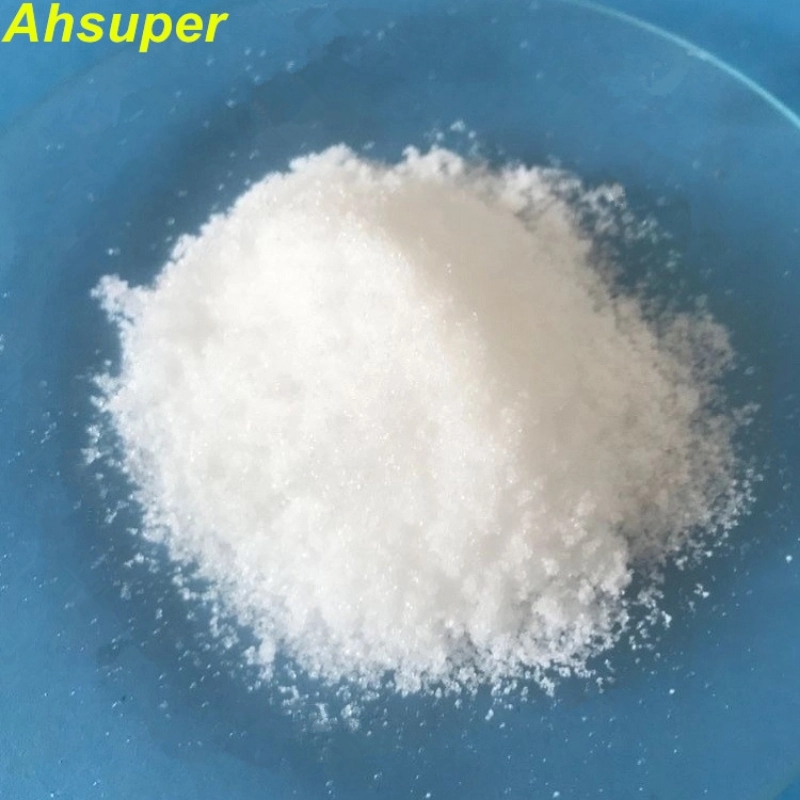
Tetraethyl Ammonium Chloride (TEAC) 99%min
| Appearance | White crystalline powder |
| Value (Assay) | 99% min. |
| Free Amine | 3.0 mg KOH/g max. |
| Moisture | 1.0% max. |
FAQ
What is this compound primarily used for in electrochemistry?
In electrochemical applications, it serves predominantly as a supporting electrolyte. Because it dissociates into highly mobile ions in solution but remains electrochemically inert over a wide voltage range (a broad electrochemical window), it allows researchers to study the electrical properties of other target analytes without interference. It is also heavily utilized in the formulation of solid alkaline polymer electrolytes, such as those used in advanced battery research and fuel cell membrane development.
How does the reagent function as a phase-transfer catalyst?
In complex organic synthesis, reactions often require mixing water-soluble salts with organic-soluble compounds, which naturally separate into two unmixable layers. This reagent functions as a phase-transfer catalyst by acting as a chemical bridge. Its positively charged nitrogen core binds with the required water-soluble anion, while its four lipophilic (fat-loving) ethyl groups allow the entire complex to dissolve into the organic layer. Once in the organic phase, the reaction can occur rapidly. This eliminates the need for expensive, toxic mutual solvents and significantly increases reaction yields.
What are the critical storage and handling requirements to maintain its purity?
The most critical factor in storing this chemical is its extreme hygroscopicity—it rapidly absorbs moisture from the air. To maintain its designated purity grade, it must be stored in a tightly sealed container in a cool, dry environment. High-end laboratory practices often involve storing it inside a desiccator or under an inert atmosphere (like nitrogen or argon). During handling, personnel must wear proper PPE (gloves, eye protection) to prevent skin and eye irritation, and efforts must be made to minimize dust generation to avoid inhalation exposure.