Tetramethylammonium Chloride (CAS 75-57-0): Properties, Synthesis, and Applications in Organic and Electronic Chemistry
Release time: 2026-09-07
Table of Contents
In the rapidly evolving landscape of modern chemistry and industrial manufacturing, specific specialty chemicals serve as critical enablers for advanced synthesis, analytical research, and high-tech applications. Among these, the simplest quaternary ammonium salt stands out due to its unique structural properties and versatile application profile.
This article provides an in-depth, professional analysis of this compound, covering its fundamental physicochemical characteristics, synthesis pathways, reaction mechanisms, quality control metrics, and procurement strategies for business-to-business (B2B) professionals.
1. What is this Quaternary Ammonium Salt?
1.1 Fundamental Definition
The compound under discussion is a prominent quaternary ammonium salt composed of a central tetramethylammonium cation and a chloride anion. It is widely recognized in industrial and laboratory settings for its high solubility and strong ionic character.
Below is a summary of its foundational product information:
| Parameter | Description / Data |
| English Name | TMAC (Standard Abbreviation) |
| Registration Number | CAS 75-57-0 |
| Molecular Formula | C4H12ClN |
| Structural Formula | (CH3)4NCl |
| Molecular Weight | 109.60 g/mol |
| Assay | 50%min in Water; 99%min crystal |
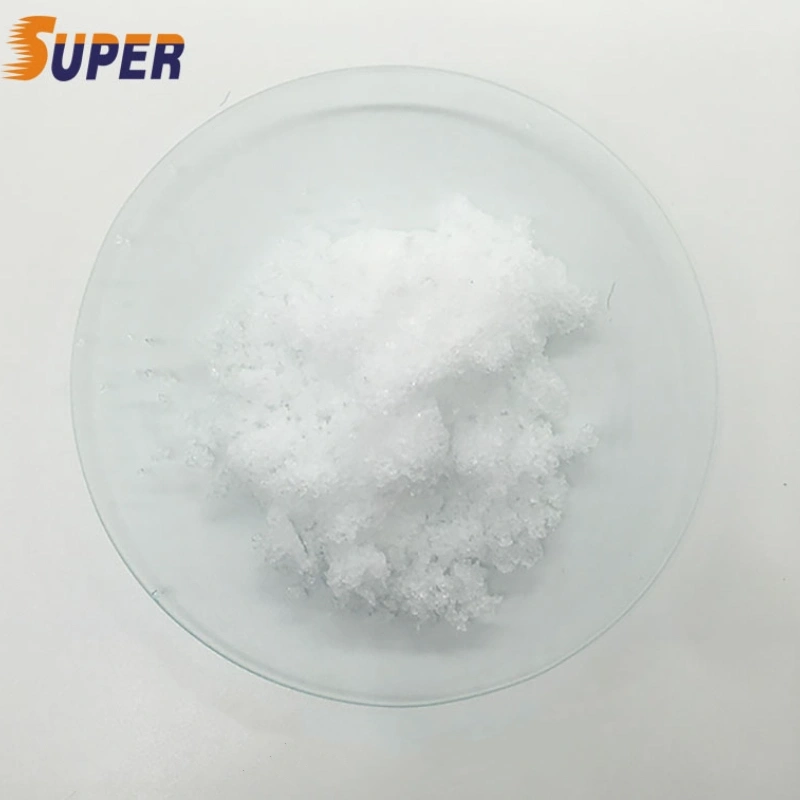
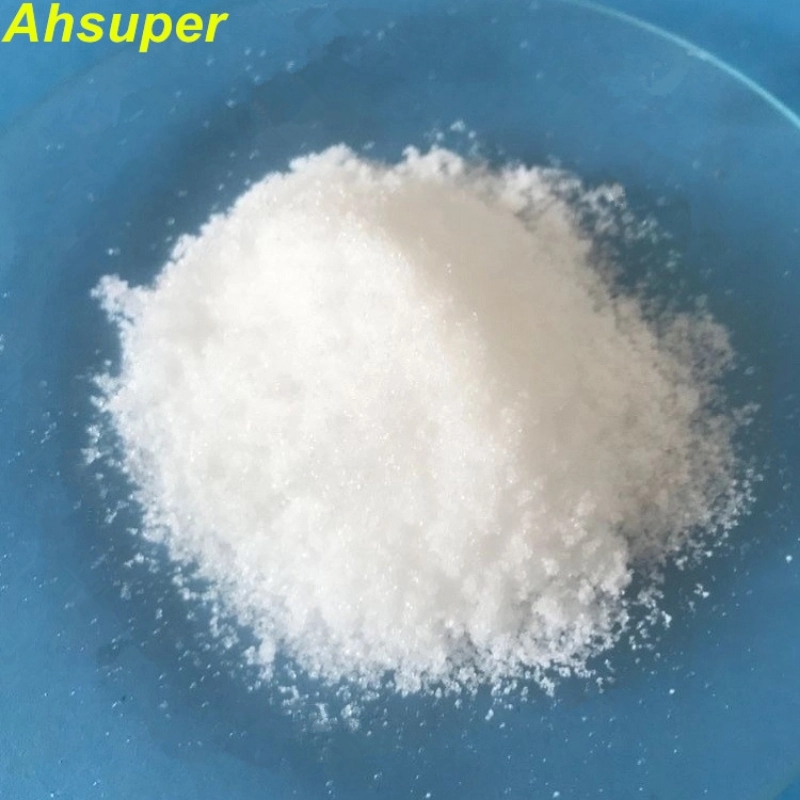
| Appearance | Colorless liquid; White to off-white crystalline powder |
| Key Characteristics | Excellent water solubility, strong ionic nature, high moisture affinity |
Publicly available product specifications generally describe it as a white crystalline solid that exhibits exceptional solubility in aqueous systems and select polar organic solvents. Because laboratory methodologies and purity levels vary among suppliers, exact density or melting point values should always be verified against the specific Certificate of Analysis (COA) provided by the manufacturer.
1.2 Common Aliases and Nomenclature
To avoid confusion in procurement, inventory management, and literature research, it is essential to recognize the various names associated with this chemical. Commonly encountered aliases include:
- TMAC
- N,N,N-Trimethylmethanaminium chloride
- Methanaminium, N,N,N-trimethyl-, chloride
2. Molecular Structure and Reaction Mechanisms
2.1 The Quaternary Ammonium Framework
The core structural identity of TMAC is defined by its central nitrogen atom, which is covalently bonded to four methyl groups (CH3). This configuration results in a permanent positive charge localized on the nitrogen center, perfectly balanced by the chloride counter-ion. Unlike tertiary amines, which depend on reversible protonation in acidic environments to carry a charge, this quaternary structure maintains its cationic state regardless of the ambient pH level.
2.2 Why Does It Exhibit Strong Ionic Characteristics?
From a technical standpoint, several factors contribute to its distinct ionic behavior in solution:
- High Polarity: The permanently charged cation grants the molecule extreme polarity, facilitating dynamic interactions in solution.
- Ion Exchange Capability: The chloride anion is weakly coordinated to the bulky cation, making it highly active and readily available for salt metathesis and ion-exchange reactions.
- Aqueous Affinity: The strong ionic nature significantly lowers the thermodynamic barrier for dissolution in water, leading to rapid solvation.
- Steric Shielding: The four compact methyl groups provide a specific degree of steric hindrance around the nitrogen center. This shielding effect allows the molecule to exhibit unique phase behaviors distinct from traditional inorganic metal chlorides, enabling it to function effectively in complex organic matrices.
2.3 Comparison with Other Structural Analogs
Understanding the precise market positioning of TMAC requires differentiating it from similar chemical entities:
| Compound | Structural Features | Typical Focus Areas and Applications |
| TMAC | Smallest quaternary cation, high charge density | Reagents, phase transfer catalysis, analytical chemistry |
| Tetraethylammonium Chloride | Longer alkyl chains, increased lipophilicity | Electrochemistry, ionic liquid media, battery research |
| Benzyltrimethylammonium Chloride | Contains a bulky aromatic benzyl ring | Specialized organic synthesis, phase transfer processes |
| TMAH | Hydroxide counter-ion, extremely strong base | Photolithography developers, etching, electronic chemicals |
Critical Note: It is absolutely imperative for procurement and engineering teams to distinguish this chloride salt from TMAH. The latter is a highly hazardous, strongly alkaline substance predominantly used in semiconductor photolithography. Their chemical behaviors, safety profiles, environmental hazards, and application scopes are entirely different and cannot be interchanged under any circumstances.
3. Physical and Chemical Properties
3.1 Appearance and Solubility Dynamics
In its pristine, factory-sealed state, the product manifests as a white or off-white crystalline powder. Its most defining physical trait is its extreme hygroscopicity. It rapidly and aggressively absorbs moisture from the ambient atmosphere, a characteristic that strictly dictates its handling and storage protocols.
Thermodynamically, the salt is highly soluble in water and low-molecular-weight polar solvents such as methanol and ethanol. Conversely, it is practically insoluble in non-polar organic solvents like hexane or toluene. When reviewing a supplier’s SDS, buyers should note that exact solubility limits often vary slightly based on the testing methodology, residual moisture, and crystalline purity of the specific batch.
3.2 Thermal Stability and Degradation
Unlike simple inorganic salts, this organic-inorganic hybrid does not undergo stable boiling. When subjected to elevated temperatures, the compound undergoes thermal decomposition. Chemical literature indicates that high-heat environments trigger breakdown pathways that emit hazardous byproducts, including ammonia (NH3), hydrogen chloride (HCl), carbon monoxide (CO), and various nitrogen oxides (NOx). Consequently, industrial storage and processing facilities must keep the material strictly isolated from high-heat sources, open flames, and incompatible strong oxidizing agents.
3.3 The Impact of Hygroscopicity on Quality Assurance
For B2B procurement and process engineering, moisture absorption is a critical variable that impacts both commercial value and technical performance:
- Quantitative Accuracy: Uncontrolled moisture uptake directly alters the assay (active content) by weight, leading to inaccurate stoichiometric calculations during chemical batching.
- Reaction Reproducibility: In moisture-sensitive organic syntheses or electronic-grade applications, introduced water can derail reaction kinetics, alter pH micro-environments, or poison sensitive metal catalysts.
- Storage Integrity: Once factory packaging is breached, the substance must be protected from ambient humidity. High-end applications require rigorous monitoring of water content over the product’s shelf life.
4. Synthesis and Industrial Preparation
4.1 General Synthetic Pathways
The industrial and laboratory synthesis logic relies on standard alkylation principles. The foundational step involves reacting a trimethylamine precursor with a powerful methylating agent. By utilizing a chloride-donating methylating reagent (such as methyl chloride), the nitrogen atom undergoes nucleophilic substitution. This results in the desired permanent cationic center paired securely with the chloride anion.
The subsequent downstream processing is where product quality is truly defined. The reaction mixture undergoes careful concentration, controlled crystallization, filtration, and intensive vacuum drying. For commercial confidentiality and safety, precise stoichiometric ratios and reactor temperatures are kept proprietary by manufacturers.
4.2 How Do Process Parameters Affect Product Metrics?
In the B2B supply chain, understanding how manufacturing impacts the final specification is crucial for selecting the right partner:
- Conversion Rates: Directly dictate the primary assay and overall purity.
- Precursor Management: Unreacted trimethylamine leaves a distinct, undesirable fishy odor and lowers analytical purity, affecting downstream applications.
- Crystallization Control: Determines the particle size distribution, bulk density, and filtration efficiency.
- Drying Technology: The efficiency of the vacuum drying process determines the final moisture content, which is critical for hygroscopic materials.
- Equipment Selection: The use of sub-optimal reactor linings can introduce trace metal impurities (such as iron, sodium, and calcium ions), which are strictly prohibited in high-tier electronic or analytical grades.
5. Main Application Areas
Rather than a simple list, evaluating the commercial value of TMAC requires understanding the fundamental chemical mechanics behind each application. Its utility spans from heavy industrial synthesis to cutting-edge biochemical research.
5.1 Phase Transfer Catalyst in Organic Synthesis
One of the most robust applications of this compound is its role as a Phase Transfer Catalyst (PTC). By leveraging its lipophilic methyl groups and charged core, the molecule facilitates the migration of reactive anions from an aqueous phase into an organic phase where the target substrate resides.
Value Proposition: It accelerates heterogeneous reaction rates, improves reactant contact efficiency, and potentially boosts overall yields. It is extensively researched in halogenation, alkylation, and nucleophilic substitution reactions. However, efficacy is highly dependent on solvent choice, substrate structure, temperature, and stirring rates. It is not a universal solution for all heterogeneous mixtures and requires process-specific optimization.
5.2 Chemical Synthesis Intermediate and Reagent
As a fundamental chemical building block, the compound serves as a raw material for synthesizing more complex quaternary architectures. It is heavily utilized in materials science for developing ionic liquids, functionalized polymers, epoxy resin formulations, and liquid crystal intermediates. Laboratory researchers frequently employ it during methodology development and process optimization scaling.
5.3 Analytical Chemistry and Electrochemistry
To elevate the precision of analytical methodologies, this chemical acts as a vital supporting electrolyte. In polarography and voltammetry, it regulates the ionic strength of the solution without interfering with the target analytes. Furthermore, it is instrumental in studying ion-exchange kinetics, molecular migration, and catalyst behavior in complex electrochemical cells. Buyers must ensure they procure Analytical Grade material to avoid background interference from trace impurities.
5.4 Molecular Biology and PCR Research
In specialized biochemical laboratories, highly purified grades are introduced into polymerase chain reaction (PCR) assays at carefully titrated, low concentrations. The cationic center interacts with nucleic acid structures, potentially equalizing the melting temperatures (Tm) of AT and GC base pairs. This can enhance hybridization stringency and amplification specificity in certain difficult templates.
Regulatory Note: This is strictly a laboratory research application. Supplier SDS documentation universally prohibits the use of this chemical in clinical diagnostics, direct pharmaceutical formulations, or food products.
5.5 Chromatography and Biopharmaceutical Research
A cutting-edge application lies in advanced analytical chromatography. It functions as an ion-pairing agent or an ionic environment modifier. Recent downstream processing research highlights its utility in anion-exchange chromatography for separating empty and full capsids of adeno-associated viruses (AAVs). Such bioprocessing applications demand the highest purity tiers, with stringent controls over endotoxins, nucleases, and particulate matter.
5.6 Potential Applications in Electronic Chemistry
While TMAC finds utility in specific electronic materials research, interfacial chemistry, and micro-nano fabrication as an ionic reagent, its usage boundaries must be strictly defined. It does not serve the same mass-market role as standard photolithographic developers. Procurement for semiconductor research requires exhaustive validation of trace metal ions (often requiring parts-per-billion level verification) and organic residues.
6. How to Select the Right Product Grade?
Navigating the procurement landscape requires meticulously matching the product tier to the end-use application to balance cost and performance.
| Product Grade | Typical Applications | Critical Quality Metrics to Monitor |
| Industrial Grade | Bulk chemical synthesis, process scale-up | Assay, moisture content, batch consistency |
| Reagent Grade | Lab-scale synthesis, general R&D | Defined purity limits, solubility, basic impurities |
| Analytical Grade | Polarography, precise titrations, electrochemistry | Trace metals, blank values, insolubles |
| Bio-Research Grade | Chromatography, nucleic acid studies | DNase/RNase free, ultra-low metals, endotoxin limits |
| Electronic Grade | Semiconductor research, electronic materials | ICP-MS verified metal cations, sub-micron particulates |
Procurement Advice: “High purity” is merely a marketing term unless backed by standardized testing. A claim of 99.9% purity must specify whether the remaining 0.1% consists of harmless atmospheric moisture or detrimental heavy metals.
7. Key Quality Indicators and COA Interpretation
For supply chain managers and QA engineers, the Certificate of Analysis (COA) is the most critical document. Understanding how to read it ensures you receive exactly what your process requires.
Essential Metrics to Evaluate:
- Appearance: Must match the expected white to off-white crystalline state.
- Assay (Purity): Typically evaluated via titration methodologies (e.g., argentometric titration).
- Moisture (H2O): Often measured via Karl Fischer titration; strictly lower is better.
- pH Value: Tested as a specified aqueous solution (e.g., 5% or 10% solution).
- Residue on Ignition: Indicates inorganic/mineral impurities.
- Heavy Metals / Trace Elements: Crucial for high-end analytical and electronic use.
How to Read the COA:
Always verify that the batch number corresponds directly to the physical packaging. Ensure that the document explicitly lists “Release Specifications” versus “Typical Values.” A reliable COA will clearly define the analytical methods used (e.g., HPLC, Titration, ICP-OES) and confirm the date of retest or expiration.
8. Packaging, Storage, and Transportation
8.1 Packaging Strategies
Given the severe hygroscopicity of the material, robust packaging is the primary quality defense mechanism.
- Lab Scale: Sealed amber or opaque plastic bottles placed inside secondary moisture-barrier bags.
- Pilot Scale: Fiber drums equipped with multiple layers of tightly sealed polyethylene (PE) inner liners.
- Industrial Scale: Bulk packaging must prioritize moisture exclusion. High-purity electronic or biological grades often require packing under an inert gas (like Argon or Nitrogen) within cleanroom environments to guarantee integrity upon arrival.
8.2 Storage Protocols
Maintaining chemical integrity requires strict facility controls:
- Keep original containers hermetically sealed at all times.
- Store in a cool, well-ventilated, and strictly dry warehouse environment.
- Isolate completely from strong oxidizers and heat sources.
- Once opened, the material should be utilized rapidly, or purged with inert gas before resealing to prevent atmospheric moisture degradation.
8.3 Logistics and Transportation
Depending on international and regional regulations, this compound may be classified as a hazardous material due to its toxicological profile (often falling under UN regulations like Class 6.1 Toxic Substances, Packing Group II or III). Logistics managers must rely on the latest Safety Data Sheet (SDS) and local transport authority guidelines to ensure compliant labeling, placarding, and documentation.
9. Safety Handling and Regulatory Compliance
9.1 Hazard Identification
According to standard GHS classifications, the compound presents risks of acute oral toxicity, skin irritation, and severe eye irritation. It may also pose hazards to aquatic environments. Regional classifications may vary, so always consult the manufacturer-provided SDS.
9.2 Operational Requirements
- Inhalation: Strictly avoid breathing in the chemical dust. Use localized exhaust ventilation or fume hoods.
- PPE: Operators must wear chemical-resistant nitrile gloves, tight-fitting safety goggles, and appropriate laboratory coats or protective suits. A NIOSH-approved particulate respirator is recommended during bulk transfer.
- Hygiene: Prohibit eating, drinking, or smoking in handling areas. Wash thoroughly after manipulation.
- Environmental: Prevent residual wash water or powder spills from entering municipal drains or groundwater systems.
9.3 Emergency Response
In the event of a solid spill, avoid dry sweeping which generates airborne dust. Instead, use a HEPA-filtered vacuum or carefully collect the material into a secure, labeled hazardous waste container. For skin or eye exposure, immediately flush with copious amounts of water for at least 15 minutes and seek professional medical evaluation.
10. How to Choose a Reliable B2B Supplier
Procuring specialty chemicals demands a rigorous supplier qualification process to ensure continuous production and quality.
Assessment Dimensions:
- Capacity & Consistency: Can the manufacturer guarantee long-term batch-to-batch consistency?
- Documentation: Do they provide comprehensive, traceable COAs, REACH compliance (if applicable), and localized SDS?
- Customization: Can they adapt moisture limits or packaging sizes to fit specific production lines?
- Logistics Expertise: Do they have a proven track record of compliant hazardous goods exportation and moisture-proof packaging?
Recommended Inquiry Framework for Buyers:
When submitting an RFQ (Request for Quotation), include the following to ensure accurate sourcing:
Target purity, specific grade requirements, annual consumption volume, precise application field, custom testing parameters, and preferred INCOTERMS.
About Super Tetramethyl Ammonium Chloride CAS 75-57-0 TMAC/TMACL
- TMAC 99%min
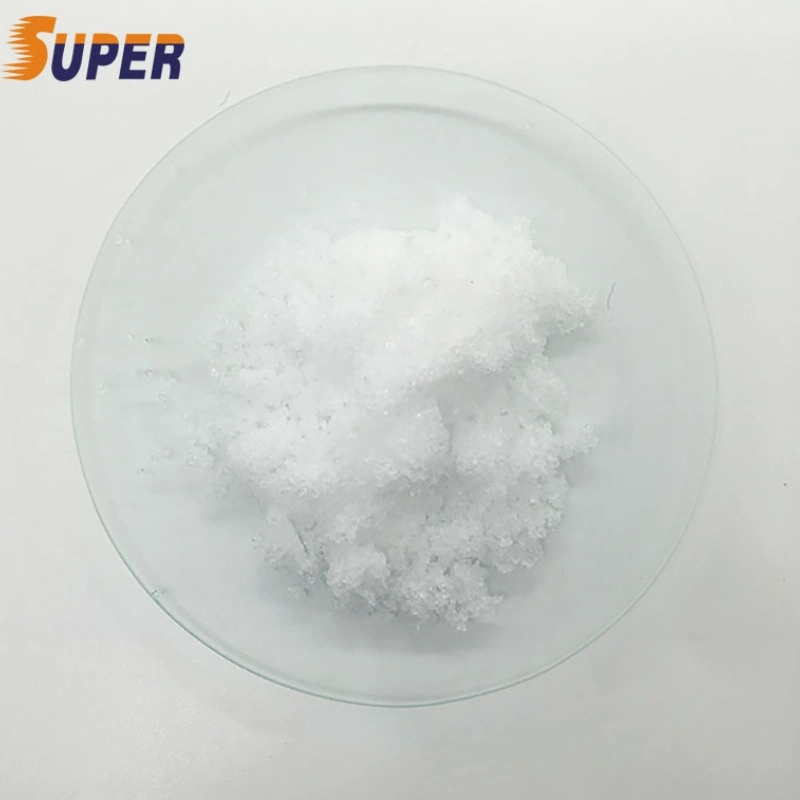
| Appearance | White crystalline powder |
| Value (Assay) | 99% min. |
| Free Amine | 3.0 mg KOH/g max. |
| Moisture | 0.5% max. |
- TMAC 50% in Water
| Appearance | Colorless liquid |
| Value (Assay) | 49.5 ~ 50.5% |
| pH Value | 5 ~ 10 |
| Color (APHA) | 10# max. |
| Iron | 5ppm max. |
| Ca + Mg | 200ppb max. |
FAQ
What is the exact chemical formula of Tetramethylammonium Chloride?
The molecular formula is C4H12ClN, and its structural formula is written as (CH3)4NCl. It consists of a central nitrogen atom covalently bonded to four methyl groups, paired with a chloride anion.
Is this compound the same chemical as TMAH?
No, they are fundamentally different. While both share the same quaternary cation, TMAH features a hydroxide anion, making it a highly corrosive, strong base used predominantly as a photoresist developer. The chloride salt discussed here is neutral in structure and serves entirely different research and catalytic purposes.
Can it be used directly in semiconductor manufacturing?
It cannot be stated as a blanket “yes.” While it finds utility in specific electronic chemical research and interfacial studies, its use depends entirely on the exact proprietary process, the purity grade (requiring strict trace metal control), and extensive client validation. It must not be confused with standard photolithography chemicals.
Conclusion
This highly versatile, ionically robust quaternary compound is essential to modern organic synthesis, analytical chemistry, and advanced biological research. For industrial stakeholders, successful integration requires moving beyond mere price evaluation. By strictly monitoring moisture content, trace impurities, packaging integrity, and safety compliance, procurement professionals can ensure seamless, high-quality production outcomes.