TMAH Toxicity, Safety, Handling, and SDS Information
Release time: 2026-11-20
Table of Contents
Tetramethylammonium hydroxide, commonly referred to as TMAH, is a highly alkaline quaternary ammonium salt widely utilized across various high-tech industrial applications. It is most prominently recognized as an essential chemical in the semiconductor and microelectronics manufacturing industries, where it serves as a photoresist developer in photolithography processes and as an anisotropic etchant for silicon. While its efficacy in these applications is unparalleled, the substance presents severe and unique occupational hazards.
Unlike traditional inorganic bases (such as sodium hydroxide or potassium hydroxide), which primarily cause localized tissue damage, this chemical exhibits dual-hazard properties: it is highly corrosive and inherently acts as a potent systemic neurotoxin. Understanding its properties, biological mechanisms of harm, and the rigorous protocols required for handling is not merely a matter of regulatory compliance, but a critical imperative for preserving human life in the industrial workspace.

1. Chemical and Physical Properties
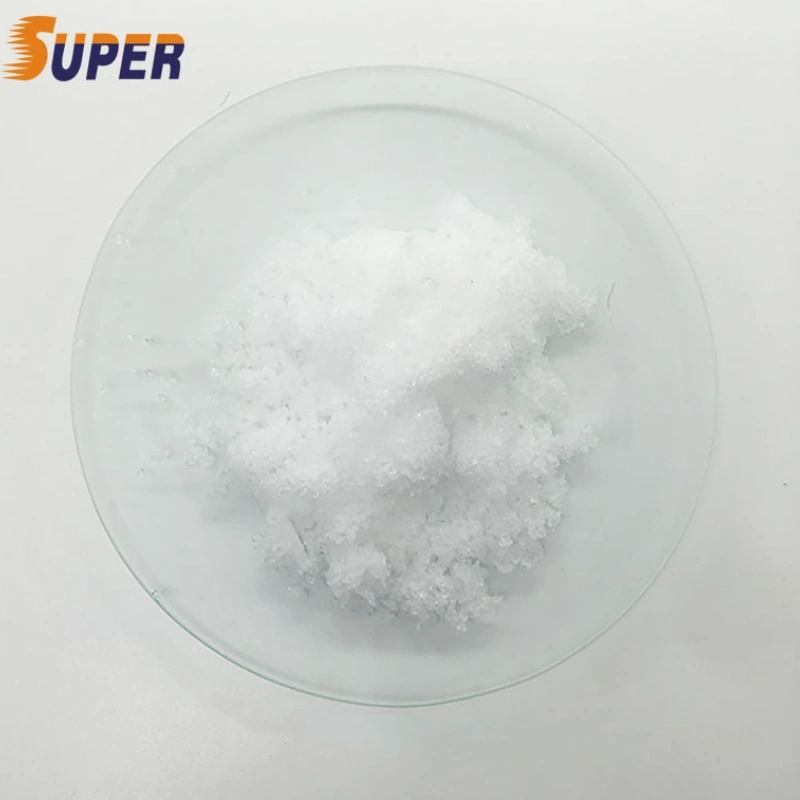
Before examining the safety protocols, it is essential to understand the fundamental physical and chemical characteristics of the substance. In industrial settings, it is rarely handled in its pure solid form due to its hygroscopic nature; rather, it is supplied as an aqueous solution, most commonly at concentrations ranging from 2.38% (standard developer concentration) up to 25% (stock solution for dilution or specific etching applications).
The solution is typically clear, colorless, and possesses a distinct, strong ammonia-like odor. Its high alkalinity makes it incompatible with a wide variety of materials.
Table 1: Key Physical and Chemical Properties (25% Aqueous Solution)
| Property | Description / Value |
| Chemical Name | Tetramethylammonium hydroxide |
| Chemical Formula | C4H13NO (or (CH3)4NOH) |
| CAS Registry Number | 75-59-2 |
| Appearance | Clear, colorless liquid |
| Odor | Strong, ammonia-like |
| Molecular Weight | 91.15 g/mol (anhydrous) |
| pH Level | > 13.0 (Highly basic) |
| Boiling Point | Approximately 100°C (212°F) |
| Specific Gravity / Density | ~1.02 g/cm³ at 20°C |
| Solubility in Water | Completely miscible |
2. Comprehensive Toxicity Profile
The hazard profile of this solution is exceptionally severe due to its bimodal mechanism of action. The danger it poses cannot be overstated, as occupational fatalities have been recorded even from seemingly minor dermal exposures.
Corrosive Tissue Damage
Due to its extreme alkalinity (pH > 13), the solution causes immediate and severe chemical burns upon contact with biological tissues. It induces liquefaction necrosis, a process where the chemical rapidly breaks down cellular lipids and proteins, allowing the substance to penetrate deeply into subcutaneous tissues. This deep penetration is what sets the stage for its secondary, and often fatal, mechanism of harm.
Systemic Neurotoxicity
The most critical danger of this compound is its systemic toxicity. The tetramethylammonium ion is a known ganglionic blocking agent. Once it breaches the skin barrier via the corrosive damage, it rapidly enters the bloodstream.
In the body, it acts as a cholinergic agonist, binding to nicotinic acetylcholine receptors in the autonomic ganglia and neuromuscular junctions. This overstimulation followed by blockade leads to a rapid cascade of systemic failures:
- Muscle Weakness and Fasciculations: Initial twitching followed by profound muscle weakness.
- Respiratory Paralysis: The most common cause of fatality; the diaphragm and intercostal muscles fail, leading to asphyxiation.
- Cardiovascular Collapse: Severe bradycardia, hypotension, and eventual cardiac arrest.
Routes of Exposure
- Dermal Contact: The most dangerous route in industrial settings. Exposure to a 25% solution on as little as 1% to 7% of total body surface area can be fatal within hours if immediate decontamination is not performed.
- Inhalation: Inhaling mists or vapors can cause severe irritation and burns to the respiratory tract, potentially leading to pulmonary edema (fluid in the lungs).
- Ingestion: Swallowing the solution causes severe burns to the mouth, throat, esophagus, and stomach, accompanied by rapid systemic poisoning.
- Ocular Contact: Splashes to the eyes will cause permanent corneal damage, severe pain, and potentially irreversible blindness.
3. Immediate First Aid and Emergency Response
Time is the most critical factor when responding to an exposure incident. Facilities utilizing this chemical must have clear, rehearsed emergency protocols and appropriate decontamination equipment readily available.
Table 2: Emergency First Aid Protocol
| Route of Exposure | Immediate Action Required | Secondary Action |
| Skin Contact | URGENT: Immediately remove all contaminated clothing. Flush the affected area with copious amounts of water (or Diphoterine solution if available) for at least 30 minutes. | Call for emergency medical assistance immediately. Do not wait for symptoms to develop. |
| Eye Contact | URGENT: Flush eyes immediately with water for a minimum of 30 minutes, holding eyelids open. | Seek immediate consultation from an ophthalmologist. |
| Inhalation | Move the victim to fresh air. If breathing is difficult, administer oxygen. If breathing has stopped, begin artificial respiration (avoid mouth-to-mouth). | Transport to a medical facility immediately. |
| Ingestion | Do NOT induce vomiting. Rinse mouth thoroughly with water. If conscious, give large quantities of water to drink. | Call poison control and transport to a hospital immediately. |
Crucial Medical Note: Responders and medical personnel must be informed that the exposure involves a cholinergic neurotoxin, not just a standard corrosive base, as standard burn treatments alone are insufficient to address the systemic poisoning.
4. Handling, Storage, and Engineering Controls
Mitigating the risks associated with this solution requires a hierarchy of controls, prioritizing engineering solutions and strict administrative procedures before relying on personal protective equipment (PPE).
Engineering Controls
Industrial processes utilizing this substance must be heavily controlled.
- Closed Systems: Wherever possible, the chemical should be transferred and processed within automated, closed-loop systems to eliminate the risk of human contact.
- Local Exhaust Ventilation (LEV): Workstations, wet benches, and chemical hoods must be equipped with strong exhaust ventilation to capture aerosols, mists, and vapors at the source.
- Safety Showers and Eyewash Stations: Must be located within 10 seconds of unimpeded travel from any potential exposure point. These must be tested weekly to ensure adequate flow and water pressure.
Storage Requirements
Proper storage prevents accidental releases and dangerous chemical reactions.
- Store in original, tightly closed containers made of compatible materials (e.g., HDPE, PTFE). Do not store in glass or aluminum containers, as strong bases can degrade them over time.
- Maintain a cool, dry, and well-ventilated storage area away from direct sunlight.
- Incompatibilities: Keep strictly separated from strong acids, oxidizing agents, and reactive metals (such as aluminum, zinc, and tin), as contact can generate significant heat and potentially explosive hydrogen gas.
Personal Protective Equipment (PPE)
When manual intervention, maintenance, or chemical transfer is required, operators must wear specialized, multi-layered PPE designed specifically for highly corrosive and toxic liquids.
Table 3: Recommended Personal Protective Equipment (PPE)
| Protection Area | Recommended Equipment Specifications |
| Skin / Body | Heavy-duty chemical-resistant suit (e.g., Tychem or equivalent) offering full body coverage. Aprons are insufficient for bulk handling. |
| Hands | Double-gloving is mandatory. Inner glove: Nitrile. Outer glove: Heavy-duty Butyl rubber or Neoprene (minimum thickness 15 mil). |
| Eyes / Face | Chemical splash goggles combined with a full-face shield. Safety glasses alone are strictly prohibited. |
| Respiratory | If ventilation is inadequate or during spill cleanup, use a NIOSH-approved supplied-air respirator or a full-face respirator with appropriate chemical cartridges. |
| Footwear | Chemical-resistant neoprene or PVC safety boots worn under the chemical suit legs to prevent liquid pooling in the boots. |
5. Safety Data Sheet (SDS) Key Information
Familiarity with the Safety Data Sheet is mandatory for all personnel. Below is a summary of the critical GHS (Globally Harmonized System) classifications typically found in Section 2 and Section 14 of a standard 25% solution SDS.
GHS Hazard Classifications
- Acute Toxicity – Oral: Category 2 (Fatal if swallowed)
- Acute Toxicity – Dermal: Category 1 (Fatal in contact with skin)
- Skin Corrosion / Irritation: Category 1A (Causes severe skin burns and eye damage)
- Specific Target Organ Toxicity (Single Exposure): Category 1 (Central nervous system, autonomic nervous system)
Standard Hazard Statements
- H300: Fatal if swallowed.
- H310: Fatal in contact with skin.
- H314: Causes severe skin burns and eye damage.
- H370: Causes damage to organs.
Transport Information (Section 14)
For shipping and logistics, this chemical is strictly regulated under international transport laws (DOT, IATA, IMDG).
- UN Number: UN 1835
- Proper Shipping Name: Tetramethylammonium hydroxide solution
- Transport Hazard Class: 8 (Corrosive)
- Packing Group: II (Indicating medium danger)
6. Environmental Impact and Waste Disposal
Disposal of this chemical requires strict adherence to local and federal environmental regulations. It must never be discharged directly into municipal sewers, ground waterways, or soil.
Because of its high pH and toxicity to aquatic life, waste streams containing this compound must be collected in designated, clearly labeled waste containers compatible with highly alkaline materials. Disposal must be handled by certified hazardous waste disposal contractors. In some advanced semiconductor facilities, thermal degradation or specialized biological treatment systems are employed to break down the tetramethylammonium ion into harmless byproducts before ultimate discharge, ensuring minimal environmental footprint.
Conclusion
The utility of this specialized alkaline solution in advanced manufacturing is undeniable, yet its potential for lethal harm remains one of the highest among commonly used industrial chemicals. Safety cannot be an afterthought; it must be engineered into every step of the storage, handling, and disposal process. Through rigorous training, automated engineering controls, unyielding adherence to SDS guidelines, and the proper use of specialized PPE, facilities can effectively harness the chemical’s properties while fully safeguarding their workforce against its profound toxicity.
FAQs
Q1: Why is dermal exposure to this specific chemical considered disproportionately dangerous compared to other corrosive bases like sodium hydroxide?
Unlike standard bases that only cause localized tissue burns, this compound contains a specific ion that acts as a potent neurotoxin. The corrosive burn essentially destroys the skin barrier, creating a direct pathway for the neurotoxin to enter the bloodstream. Once in the blood, it blocks nerve signals, leading to rapid muscle paralysis, respiratory failure, and potentially death, even from relatively small spill areas.
Q2: What should be done immediately if a worker spills a 25% solution on their skin?
The immediate, life-saving action is to strip off all contaminated clothing instantly and place the affected worker under a safety shower. Flush the area with massive amounts of water for at least 30 minutes. Do not waste time assessing the burn; start flushing immediately and have a colleague call emergency medical services right away, informing them that systemic neurotoxin exposure has occurred.
Q3: Can standard acid-base neutralization methods (like applying a weak acid) be used directly on the skin for spills?
No. You should never attempt to neutralize a chemical burn on the skin with an acid (or vice versa). The neutralization process causes an exothermic reaction (it releases heat), which will severely compound the thermal burn on top of the existing chemical burn. The only acceptable first aid response is massive dilution and mechanical removal using copious amounts of flowing water or specialized chemical amphoteric flush solutions like Diphoterine, if specifically approved by your facility’s medical protocol.